







Search Results for: Blue Mountain Coffee Bean Grades
A Detailed Guide to Jamaican Blue Mountain Coffee Grades: Grade 1, Grade 2, Grade 3 Specifications and Authentic Price Reference
Jamaican Blue Mountain coffee is world-renowned for its unique flavor and strict controls. Jamaican law stipulates that only coffee beans grown in the Blue Mountain region may bear the name "Blue Mountain." High-grade Blue Mountain coffee is divided into three grades—No. 1, No. 2, and No. 3—corresponding respectively to screen size standards of 17–18 mesh and above, 16 mesh, and 15 mesh. The green beans of all three grades must be packed into wooden barrels for export, with the barrel bearing the estate name, importer's abbreviation, and batch information, along with a government-certified green certificate of origin. Understanding these grades and export regulations helps coffee enthusiasts verify authenticity and make informed purchases of genuine Blue Mountain coffee. Front Street Coffee recommends that consumers pay attention to the roast level and packaging format to judge the true quality of the Blue Mountain coffee in their hands. [more…]
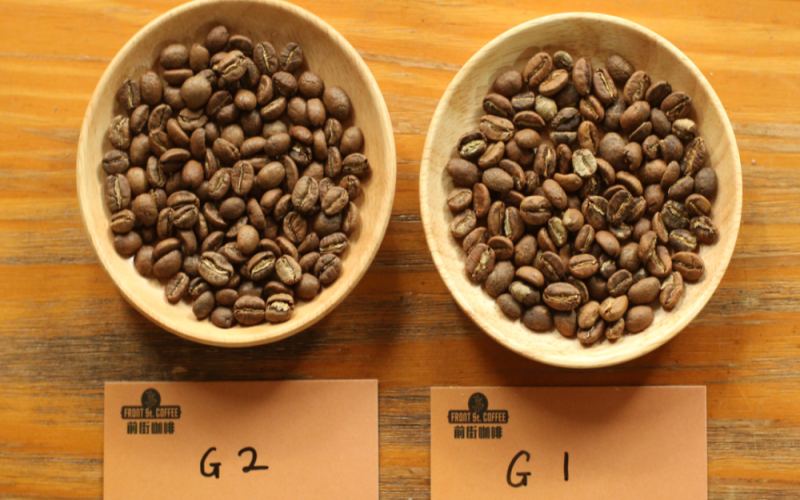
An Introduction to Green Coffee Bean Grades | A Comparison of Coffee Bean Characteristics, Flavor, and Taste Across National Green Coffee Bean Grading Systems: G1, G2, AA, PB, SHB
For more specialty coffee knowledge, please follow our WeChat official account: Front Street Coffee (FrontStreet Coffee). Many friends, while drinking coffee at Front Street, ask our baristas, "What is Yirgacheffe G1 and Yirgacheffe G2?" "What is Kenya AA, AB?" What is Guate... [more…]
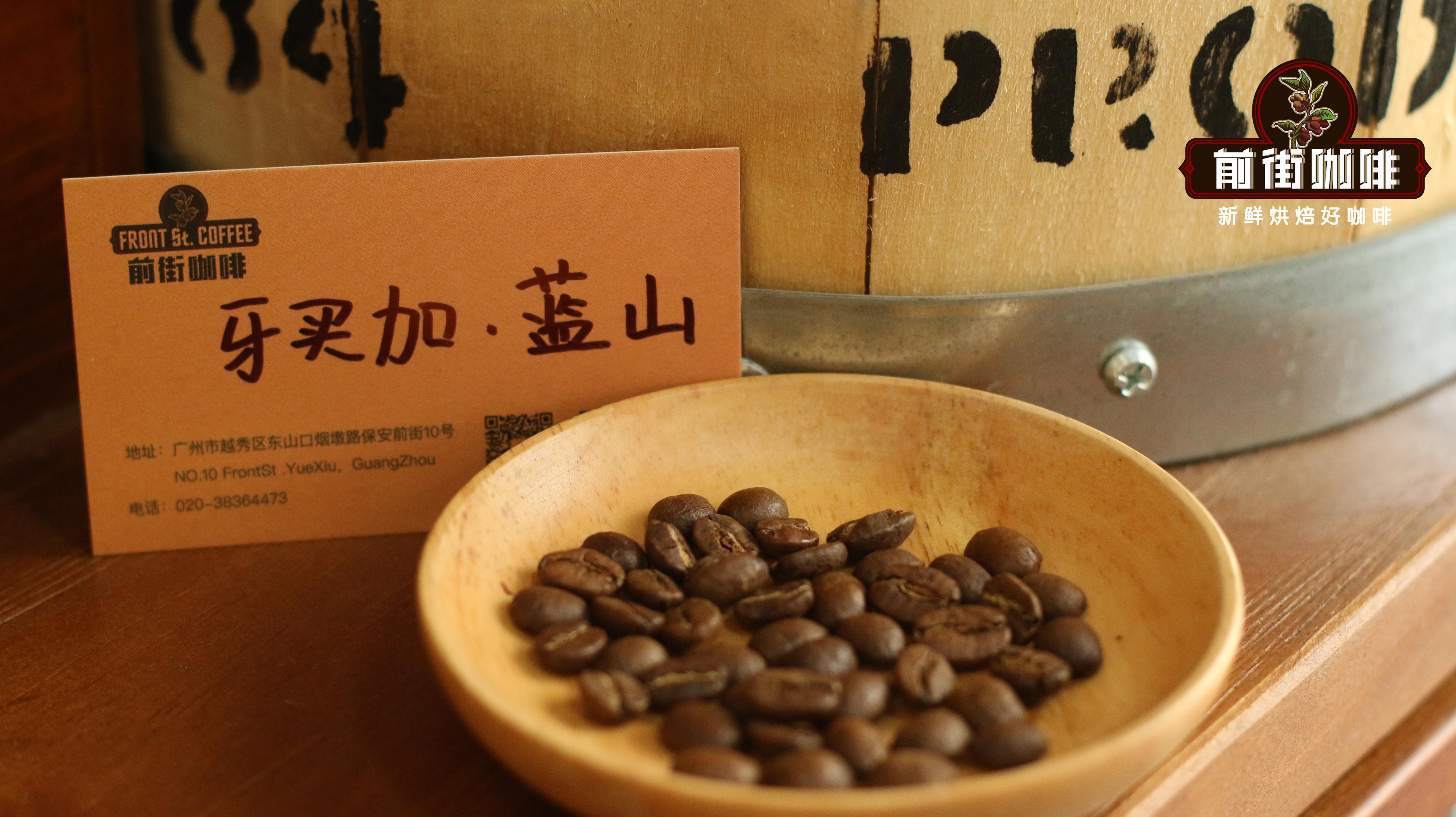
Blue Mountain Coffee Bean Grades | Is Authentic Blue Mountain No.1 Coffee Bean Expensive? Jamaican Blue Mountain Coffee Flavor, Taste Characteristics, Grind Size, Water Temperature Parameters
For a long time, many media outlets have been perpetuating the claim that there is no genuine Blue Mountain coffee in China, but in fact, this situation began to change in 2010. Blue Mountain coffee has a mellow taste and is a very standard cup of black coffee, and because it is produced in small quantities, it is called the king of coffee. At one point, it was quite difficult to buy domestically, which is true, and [more…]
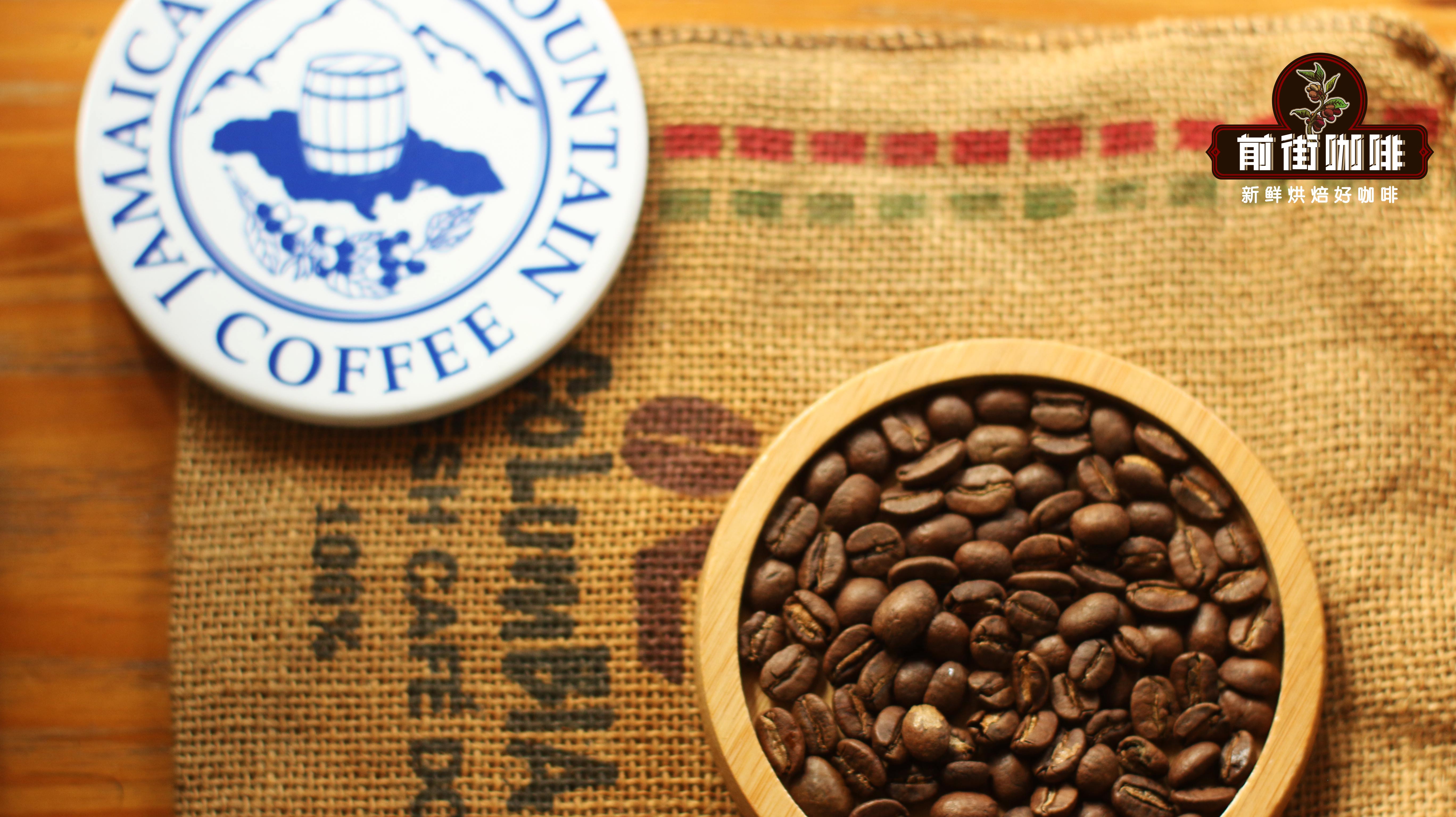
The Origin of Blue Mountain Coffee | What Grade Is Jamaica Blue Mountain No. 1 Coffee? What Are the Flavor and Taste Characteristics of Blue Mountain Coffee? How to Tell Real Blue Mountain Coffee from Fake?
There are two kinds of Blue Mountain coffee on the market, and it's easy to buy the wrong one by mistake. One is Blue Mountain flavor, which refers to beans roasted from coffee beans of other regions; these are labeled as Blue Mountain flavor coffee. The other kind, Blue Mountain coffee, refers to coffee produced in the Blue Mountain region of Jamaica, and when we refer to Blue Mountain coffee, we mean [more…]

Top Ten Coffees in the World | Which brand of coffee beans tastes best? Which single-origin beans have high reputation and good quality? Which coffee beans can coffee beginners start with?
For more specialty coffee knowledge, please follow: Front Street Coffee (Frontsteet Coffee). At Front Street Coffee (FrontStreet Coffee), the coffee beans produced by the physical stores offer over 50 different coffee beans from various origins, satisfying different tastes. [more…]
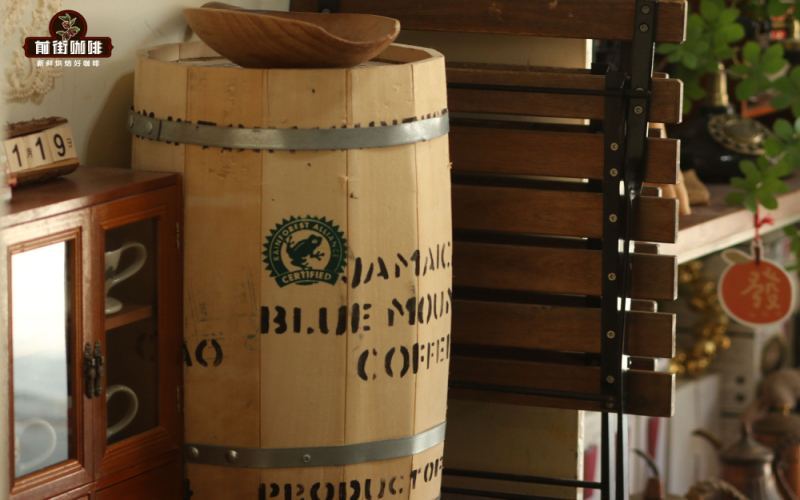
A Guide to Identifying Authentic Jamaican Blue Mountain Coffee: Certificates, Prices, and Flavor Profile Fully Explained
Blue Mountain coffee is hailed as the "Emperor of Coffee," but the market is flooded with a mix of genuine and fake products, making it hard to tell true from false. From the perspective of Front Street Coffee, this article systematically sorts out the historical origins of Jamaican Blue Mountain coffee, the certified authentic production regions, the green bean grading standards, the characteristics of the Typica variety, and the differences between the two processing methods of washed and natural. At the same time, it explains in detail how to identify genuine Blue Mountain through features such as the CIB certificate and wooden barrel packaging, and includes the roasting curve, cupping report, and brewing parameters of Front Street's washed Blue Mountain, helping coffee enthusiasts gain a comprehensive understanding of the true appearance and value of this top-tier coffee. [more…]
An Analysis of the Jamaican Blue Mountain Coffee Bean Grading System and Pricing Factors: Blue Mountain No. 1 Flavor Profile and Front Street Recommendation
Blue Mountain coffee has long been regarded by Chinese consumers as synonymous with premium coffee, yet as the specialty coffee wave has advanced, its halo seems to have faded somewhat. This article will systematically sort out the grading standards for Jamaican Blue Mountain coffee beans, the historical and practical reasons behind their persistently high prices, and how to identify authentic Blue Mountain coffee, along with a detailed description of its flavor characteristics and brewing recommendations. At the same time, the article will also introduce the origin background and certification information of the Blue Mountain No. 1 coffee beans sold by Front Street Coffee (FrontStreet Coffee), helping coffee enthusiasts gain a more comprehensive understanding of this legendary coffee. [more…]
Jamaica Blue Mountain No. 1 Coffee Bean Grade Analysis: Flavor Characteristics of Clydesdale Estate Blue Mountain Coffee
Jamaican Blue Mountain No. 1 coffee beans are widely recognized as the pinnacle of the coffee world, and together with Hawaiian Kona, they are known as "the King and the Queen." Although in recent years, affected by production fluctuations and climatic factors, the overall quality and reputation of Blue Mountain coffee have fluctuated somewhat, Blue Mountain No. 1 still firmly holds the throne, and its price has become more rational. Specialty coffee emphasizes estate traceability, and Jamaican Blue Mountain mainly comes from three major estates: Clydesdale, Mavis Bank, and Moy Hall. This article focuses on Blue Mountain No. 1 from Clydesdale Estate, sorting out its historical context and brand evolution, and introduces Front Street Coffee's recommendation and interpretation of this bean, helping you understand the true grade and flavor characteristics of this legendary coffee. [more…]
World Coffee Origins | Which famous coffee beans come from each coffee-producing country? What are the flavor, taste, and characteristics of each coffee variety? Introduction to coffee grading systems
I. Brazil (South America) Since 1960, Brazil has consistently ranked first in the world in coffee cultivation, with an average annual output of 24.6 million bags (each bag weighing 60 kilograms). According to a November 2002 report by the United States Department of Agriculture, Brazil's actual coffee output in 2002 should have been 51.6 million bags. Brazil is the world's most [more…]
A Comprehensive Interpretation of the Origin Grading System and Flavor Characteristics of Jamaican Blue Mountain Coffee Beans
Blue Mountain Coffee is widely recognized as one of the world's top coffees, a status inseparable from its exceptional natural conditions and the Jamaican government's almost stringent industry regulation. The Blue Mountain range lies in eastern Jamaica, where the azure waters of the Caribbean Sea reflect off the peaks, giving the region its name. Its highest peak rises 2,256 meters above sea level, with a cool, foggy climate, abundant rainfall, and fertile volcanic soil providing an ideal growing environment for coffee. In the mid-20th century, due to inconsistent export quality, Canada once refused to accept Blue Mountain Coffee, prompting Jamaica to establish the Coffee Industry Board (CIB) in 1948, building a strict quality standard and certification system. Blue Mountain Coffee is classified by screen size into No.1 through No.3 and Peaberry grades. The government has also designated specific cultivation areas and processing plants, with dedicated supervision from harvesting, fermentation, and drying to barrel packaging. This article will systematically outline the classification, grade standards, and unique craftsmanship of Blue Mountain Coffee, offering you a comprehensive understanding of this legendary coffee. [more…]
Jamaican Blue Mountain Coffee Beans | An Introduction to the Grading and Flavor Characteristics of Jamaica Blue Mountain No. 1 Coffee Beans
Blue Mountain coffee is very famous, but there are also frequent rumors that only Japan has genuine Blue Mountain coffee beans—a tale from over twenty years ago. Jamaica Blue Mountain Coffee, the Jamaica Coffee Industry Association (Coffee I [more…]
A Complete Guide to Jamaican Blue Mountain No. 1 Coffee Beans: Origin, Estate Analysis, Classic Flavor, and Pour-Over Parameters
Blue Mountain coffee is the classic of classics in the minds of many coffee lovers, and Blue Mountain No. 1 is the highest grade among Jamaican Blue Mountain coffees. Which regions and estates does it actually come from? Why is it so highly sought after despite its high price? This article will cover the historical origins of Blue Mountain coffee, the altitude grading system of Jamaica's producing regions, and methods for identifying raw beans by appearance, all the way to the Clifton Farm Blue Mountain No. 1 sold at Front Street Coffee stores, along with a complete pour-over recipe and flavor description under medium-dark roasting, helping readers gain a comprehensive understanding of this top-tier coffee bean and learn how to tell genuine Blue Mountain coffee from fakes on the market. [more…]

Yirgacheffe Coffee Grading | Is There a Big Difference Between G1 and G2 Yirgacheffe Single-Origin Beans? Must-Buy Light Roast Pour-Over Coffee Beans for Coffee Lovers
We know that coffee bean grading methods are usually based on the actual conditions of the growing country. Some are graded by bean size, such as Kenyan coffee; some by altitude, such as Blue Mountain coffee; and some by defect rate, such as Ethiopian coffee. As the gene pool of Arabica, Ethiopia has a wide variety of coffee varieties. [more…]
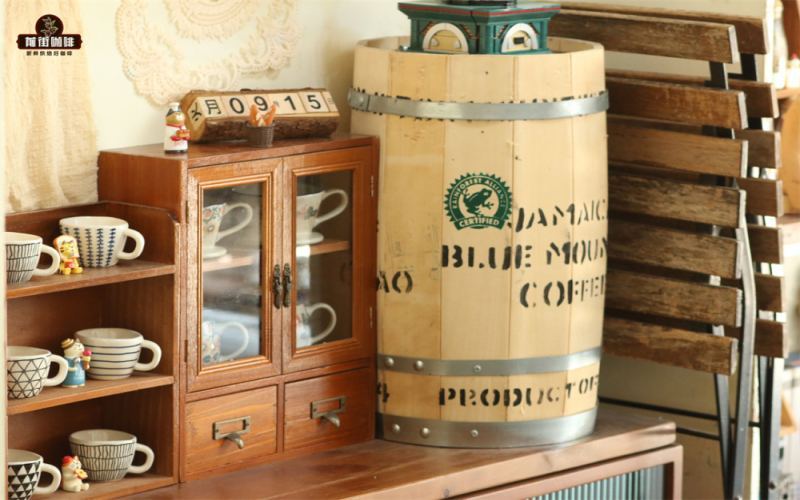
Complete Guide to Arabica Coffee: Origins, Variety Characteristics, and Processing Method Flavor Guide
Coffee belongs to the Rubiaceae family, with over a hundred known species, but commercial cultivation is dominated by three major types: Arabica, Robusta, and Liberica. Among them, Arabica, with its outstanding aroma and flavor, accounts for over seventy percent of global production and is the core raw material for single-origin and specialty coffee. This article will systematically review the varietal characteristics, advantages and disadvantages, and sub-varieties of Arabica, and introduce one by one the cultivated varieties, processing methods, grading standards, and flavor profiles of representative producing countries such as Brazil, Colombia, Panama, Guatemala, Costa Rica, Jamaica, Ethiopia, Kenya, and Indonesia. It will also incorporate Front Street Coffee's sourcing experience and recommendations to help coffee enthusiasts build a complete framework for understanding origins. [more…]
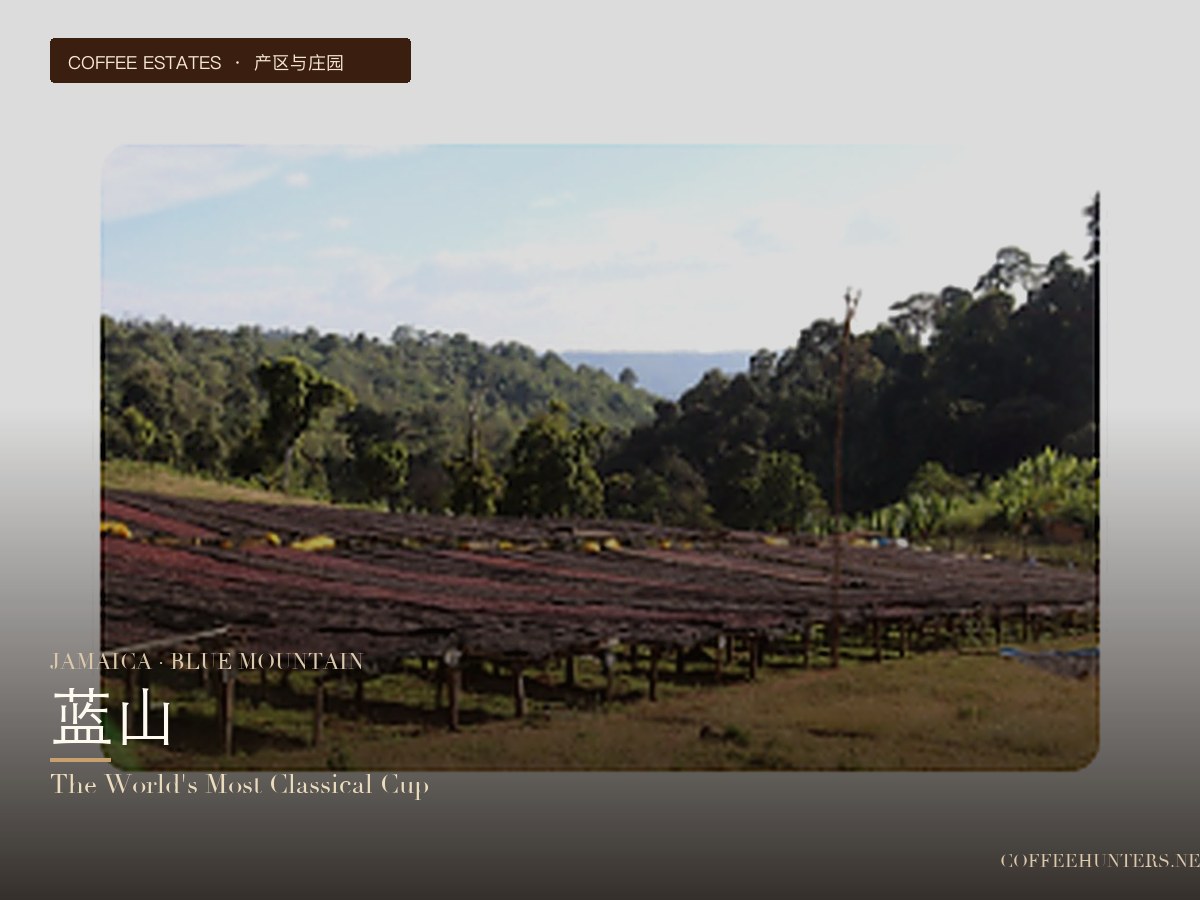
Jamaica Blue Mountain: One of the World's Most Expensive Classics
Jamaican Blue Mountain is one of the most expensive coffees in the world, known for its mild acidity, balanced body, and unique sparkling sensation. This article takes you through Blue Mountain's history, geography, strict grading system, and why it has been able to maintain a high price. [more…]
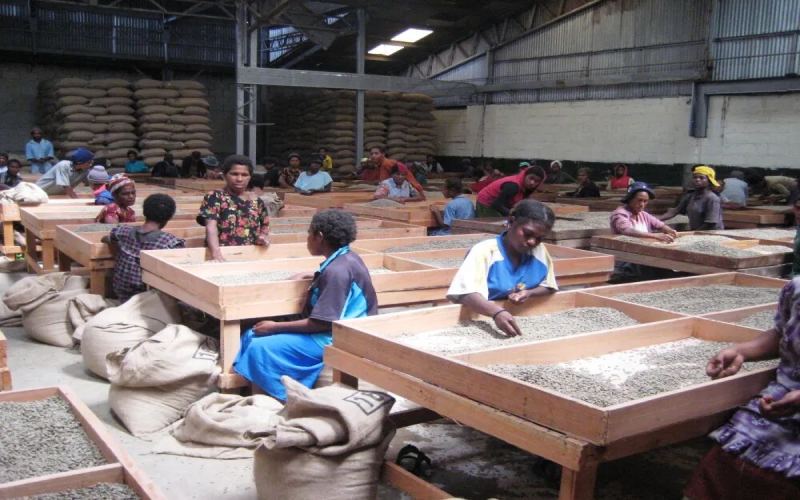
PNG Coffee Grades | How Are Papua New Guinea Coffee Beans Graded? What Are the Characteristics of Sigri Estate Bird of Paradise Washed Coffee?
You may find the coffee origin of Papua New Guinea a bit unfamiliar, but Front Street Coffee believes that Front Street Papua New Guinea coffee stands out as a unique presence among coffees. Papua New Guinea is located in the southwestern Pacific, along the Pacific Ring of Fire, and is geologically volcanic, with fertile volcanic soil, making it [more…]
A Complete Guide to Jamaican Blue Mountain Coffee Beans: Origin Terroir, Grading, Market Prices, and Brand Buying Guide
Blue Mountain coffee has always held a place in the specialty coffee world, and with its balanced, mellow flavor profile, it has won the favor of generations of coffee lovers. However, products marketed under the banner of "Blue Mountain flavor" keep emerging, while few people truly understand the origin rules, grade classifications, and certification system for Blue Mountain coffee. Starting from the geographical environment of the Blue Mountains, this article will systematically sort out the strict definition of Blue Mountain coffee by the Jamaica Industry Board, explain in detail the criteria distinguishing Blue Mountain No. 1, No. 2, No. 3, and peaberry, and introduce the traditional wooden barrel export practice and certificate of origin system for authentic Blue Mountain coffee. At the same time, Front Street Coffee (FrontStreet Coffee) will also share the brewing parameters and flavor presentation of Blue Mountain coffee in its stores, helping readers gain a comprehensive understanding of the true character of this classic coffee. [more…]
A Comprehensive Analysis of Jamaican Blue Mountain Coffee Grading and Variety Flavor Characteristics
As one of the world's recognized top-tier coffees, Blue Mountain coffee has always attracted much attention for its grading, varietal characteristics, and flavor performance. This article will begin with the growing environment of Blue Mountain coffee and provide a detailed overview of the Jamaican Blue Mountain coffee grading system—including the specific standards for Blue Mountain No. 1, No. 2, No. 3, and peaberry—and compare the differences between High Mountain coffee and Jamaican coffee. At the same time, it will take a deeper look at what makes the Blue Mountain Typica variety unique, the differences between washed and natural processing methods, and Front Street Coffee's brewing parameters and flavor description, helping readers fully understand what exactly makes genuine Jamaican Blue Mountain coffee so good. [more…]
A Complete Guide to Coffee Bean Varieties and an In-Depth Look at the Flavor Profiles of the World's Three Major Producing Regions
The flavor code of coffee is often hidden in the land where it grows. From Brazil and Colombia in South America, to Costa Rica and Guatemala in Central America, to Jamaica Blue Mountain in the Caribbean, as well as Kenya and Ethiopia in Africa and Indonesia in Asia, each producing region gives coffee beans a unique personality. This article systematically sorts out the flavor characteristics and representative bean varieties of the world's major coffee producing regions, helping coffee lovers build a clear framework for understanding regional flavors. Whether you are a beginner just starting out or a seasoned connoisseur seeking to advance, this producing-region guide can provide practical reference for your purchasing and tasting. Front Street Coffee will also combine regional characteristics to recommend classic beans worth trying for you. [more…]
12 Common Coffee Varieties | What Coffee Do True Connoisseurs Drink? An Introduction to the Flavor Profiles of Yirgacheffe, Emerald Geisha, Jamaican Blue Mountain Single-Origin Beans
Coffee is an imported product, and everyone drinks coffee for different reasons. Some people are enjoying a petty bourgeois lifestyle, some are dependent on caffeine, and others simply like the taste of coffee. Front Street is here to take stock of which coffee those who know coffee must drink. Pour-over coffee is undoubtedly the most popular coffee-making method in the world today. [more…]